What to do during a boil water advisory: drinking, dishes, bathing and after
A boil water advisory changes more than the drinking glass. Here is what to boil, what you can still use from the tap, and what to do when it lifts.
In this article
- Why boil water advisories happen
- What to do during a boil water advisory, room by room
- How to boil water during an advisory
- Babies, older adults and anyone who is ill
- Boil water notice: what to do when it is lifted
- Boil water, do not drink, do not use: know the difference
- Be ready before the next one
- Frequently asked questions
What to do during a boil water advisory is mostly about one switch: use bottled water or water you have boiled for drinking, cooking, brushing teeth, making ice, mixing baby formula and giving to pets. Boil it at a full rolling boil for 1 minute, or 3 minutes above 6,500 feet. You can usually still shower and wash your hands with tap water, as long as nobody swallows it. Follow your local notice first, because it may add steps.
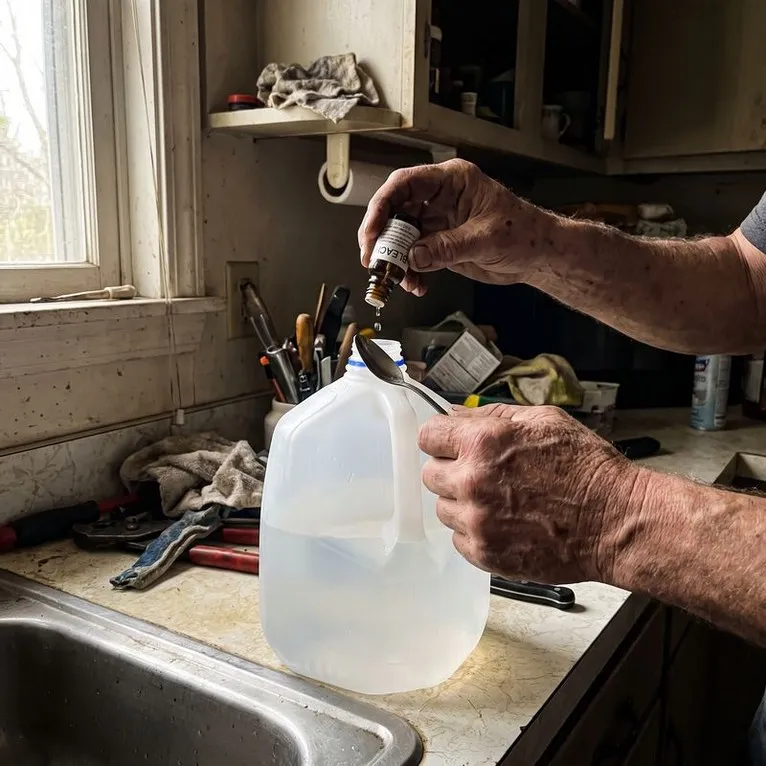
The Off-Grid Handbook's Project 6, the Emergency Disinfection Station, exists for exactly this moment: a dedicated pot, plain bleach and a laminated card with the steps, set up in about 20 minutes for roughly $15.
Why boil water advisories happen
Local water systems or health departments issue an advisory when germs may have gotten into the tap water, or when they cannot be sure they have not. Common triggers include a water main break, a treatment problem, a positive bacteria test, or a loss of pressure in the system. FEMA notes that when pressure drops, ground water and floodwater can be drawn into the pipes.
That is why advisories often follow storms and power outages. The Handbook's first-hour plan calls municipal pressure "the resource most likely to quietly disappear," and the advice in does water work during a power outage starts with filling containers before that happens.
Some advisories are precautionary, issued until tests come back clean. Others follow confirmed contamination. Treat both the same until your utility says otherwise.
What to do during a boil water advisory, room by room
| Activity | What CDC advises |
|---|---|
| Drinking and cooking | Bottled water or boiled water |
| Brushing teeth | Bottled or boiled water, never unboiled tap water |
| Washing hands | In many cases, soap and tap water are fine |
| Bathing and showering | Tap water, but do not swallow any; sponge-bathe babies and young children |
| Dishwasher | Fine if the final rinse reaches 150°F or it has a sanitizing cycle |
| Washing dishes by hand | Wash, rinse, then soak 1 minute in 1 teaspoon unscented bleach per gallon of warm water |
| Pets | Bottled water or boiled water that has cooled |
A few things people forget: ice from the freezer's ice maker, the refrigerator water dispenser, coffee makers that draw from the line, and rinsing fruit and vegetables. All of them use tap water, so switch them to boiled or bottled water or turn them off until the advisory ends.
How to boil water during an advisory
- If the water is cloudy, let it settle and filter it through a clean cloth or coffee filter.
- Bring it to a full rolling boil for 1 minute, or 3 minutes above 6,500 feet, per CDC.
- Let it cool with the lid on.
- Store it in clean, covered containers, and label them so nobody mixes them up with tap water.
Boiling a big pot each morning covers most of a household's drinking and cooking for the day. Our guide to how long to boil water to purify it covers altitude and taste. If you cannot boil, plain unscented bleach is the backup, as set out in how to purify water with bleach.
Babies, older adults and anyone who is ill
CDC says to give babies and young children sponge baths during an advisory, so they do not swallow bath water. For formula, use ready-to-feed formula if you can, or mix powdered formula with bottled or boiled water that has cooled.
People with weakened immune systems, such as those on chemotherapy or after a transplant, may need stricter steps. That is a question for their doctor, not a blog, and it is worth asking before the next storm.
Boil water notice: what to do when it is lifted
Your utility will announce when the water is safe again. The water sitting in your own pipes and appliances still needs flushing out. The New York State Department of Health gives a clear checklist:
- Faucets: run each cold water faucet on full for at least 5 minutes. Longer in apartment buildings.
- Ice makers: throw out the ice, then make and discard three batches. Wipe the bin with a disinfectant.
- Water heaters and other tanks: run enough water to replace at least one full volume of the tank and its lines.
- Filters: replace refrigerator, pitcher and under-sink filters, especially carbon filters near the end of their life.
Your local notice may give different times. When it does, follow the notice. The Handbook's safety note for Project 6 says the same thing in other words: where local authorities give instructions, follow them.
Boil water, do not drink, do not use: know the difference
CDC describes three kinds of drinking water advisories, and they call for different responses:
- Boil water advisory: germs may be in the water. Boiling kills them, so boiled or bottled water is safe for drinking and cooking.
- Do not drink advisory: chemicals or toxins may be in the water. Use commercially bottled water for drinking and cooking. Boiling does not help.
- Do not use advisory: the water could be dangerous even to touch. Use bottled water for everything.
Read the notice carefully, and if it is unclear, call the utility or the health department listed on it. Many utilities and counties offer text or email alerts; signing up before a storm means you hear about an advisory, and its end, as soon as it is issued.
Be ready before the next one
An advisory is easier when the work is done ahead of time. Three habits from the Handbook help:
- Stored water, dated and rotated, so the first day needs no boiling at all. See how to store water long term.
- A disinfection station: a dedicated stock pot, plain unscented bleach with the date written on it, a dropper, and the laminated card. The book replaces the bleach yearly because it loses strength.
- A filled tub at the first sign of trouble, for flushing and washing, as in emergency water storage in the bathtub.
Boiling makes water safe from germs, not from chemicals. If an advisory mentions fuel, chemicals or a "do not use" order, boiling will not help: use bottled water and follow your health department's instructions.
Frequently asked questions
Can I shower during a boil water advisory?
Usually, yes. CDC says to be careful not to swallow any water while bathing or showering. Give babies and young children sponge baths so they do not swallow bath water. Follow your local notice if it says otherwise.
Can I brush my teeth with tap water during a boil water advisory?
No. CDC says to brush your teeth with boiled water or commercially bottled water, and not to use tap water you have not boiled first. Keep a covered cup of boiled water by the bathroom sink as a reminder.
Is it safe to use the dishwasher during a boil water advisory?
CDC says a household dishwasher is generally fine if its final rinse reaches at least 150°F or it has a sanitizing cycle. To wash by hand, wash and rinse as usual, then soak the dishes for at least one minute in 1 teaspoon of unscented bleach per gallon of warm water and let them air-dry.
What should I do after a boil water advisory is lifted?
Flush your plumbing. The New York State Department of Health says to run each cold faucet on full for at least 5 minutes, discard ice and make three new batches, run fresh water through the water heater and other tanks, and replace water filters. Follow your utility's notice if it gives different steps.
Sources
- The Off-Grid Handbook, Garrett Dalton, Project 6
- CDC: Drinking Water Advisories, An Overview
- New York State Department of Health: Boil Water Notices, FAQ for Residents and Homeowners
- CDC: How to Make Water Safe in an Emergency
- FEMA: Fact Sheet 4.1, Drinking Water Systems
- EPA: Emergency Disinfection of Drinking Water
Safety guidance changes. Check the agency pages above for the current version, and follow your local code and manufacturer instructions.