Heat
Staying Warm: Heat, Insulation and Fire Safety
When the grid goes down in winter, the doctrine is simple: stop heating the house and start heating one room. The room is chosen, sealed and stocked before the storm, not during it.
These guides cover the whole system: air sealing and window insulation that keep heat in, sleep systems for a cold night, pipe freeze protection, wood stoves and outdoor cooking fires used safely, and the carbon monoxide and smoke alarm grid that has to be in place before any flame is lit.
All heat guides
 Heat
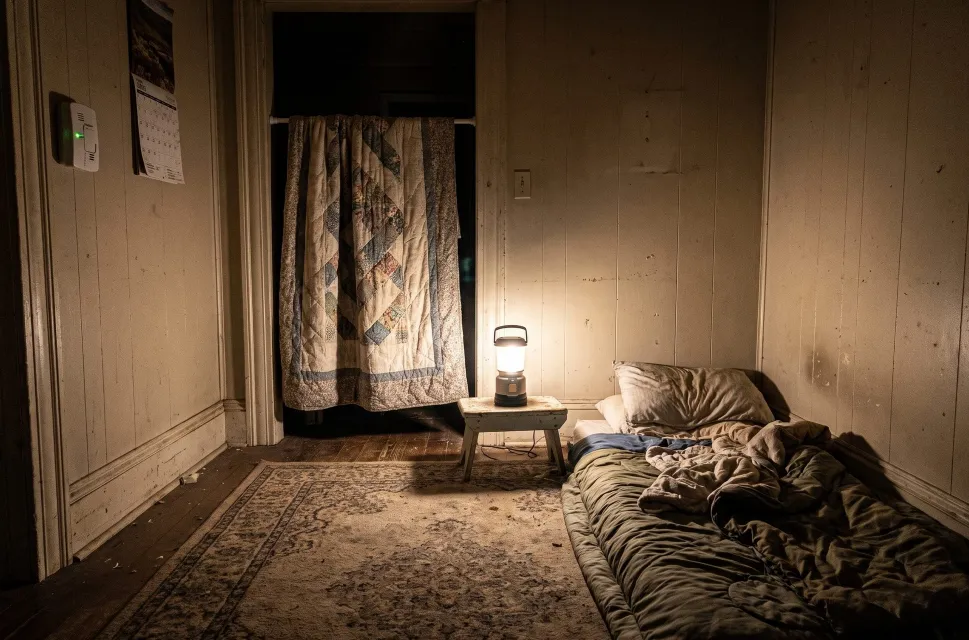
How to stay warm without power: heat one room, not the whole house
When the furnace quits in an ice storm, the households that stay comfortable are the ones that stop trying to heat the whole house.
Heat
How to stay warm without power: heat one room, not the whole house
When the furnace quits in an ice storm, the households that stay comfortable are the ones that stop trying to heat the whole house.
 Heat
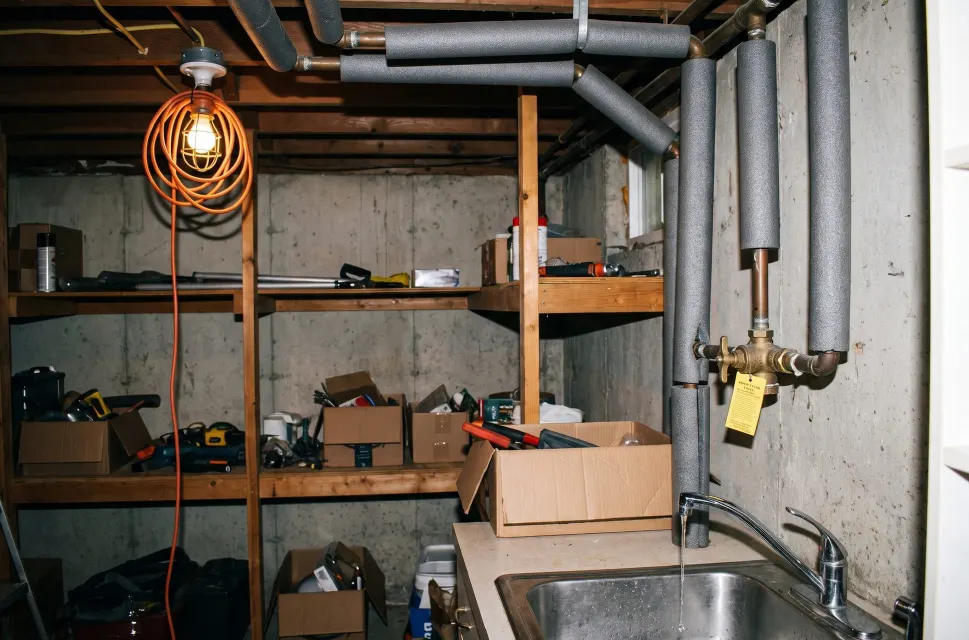
How to keep pipes from freezing when the power is out
A burst pipe turns a power outage into a flood in the same week. Most of the protection costs about $30 and an afternoon in the fall.
Heat
How to keep pipes from freezing when the power is out
A burst pipe turns a power outage into a flood in the same week. Most of the protection costs about $30 and an afternoon in the fall.
 Heat
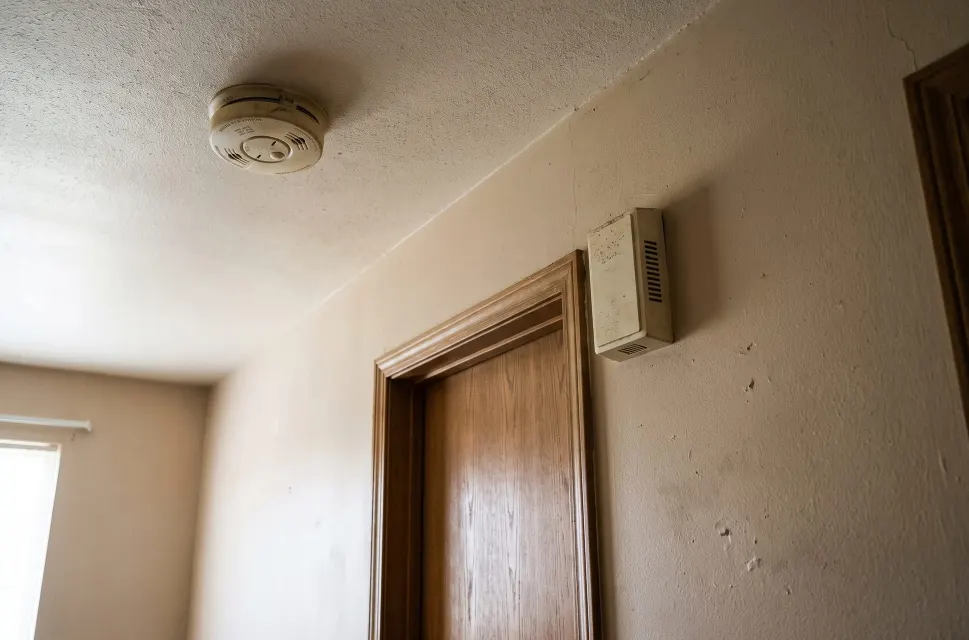
Carbon monoxide detector placement: where CO and smoke alarms go, and why battery backup matters
The alarm grid is the cheapest life-saving project in the house, and it has to work exactly when the grid doesn't.
Heat
Carbon monoxide detector placement: where CO and smoke alarms go, and why battery backup matters
The alarm grid is the cheapest life-saving project in the house, and it has to work exactly when the grid doesn't.
 Heat
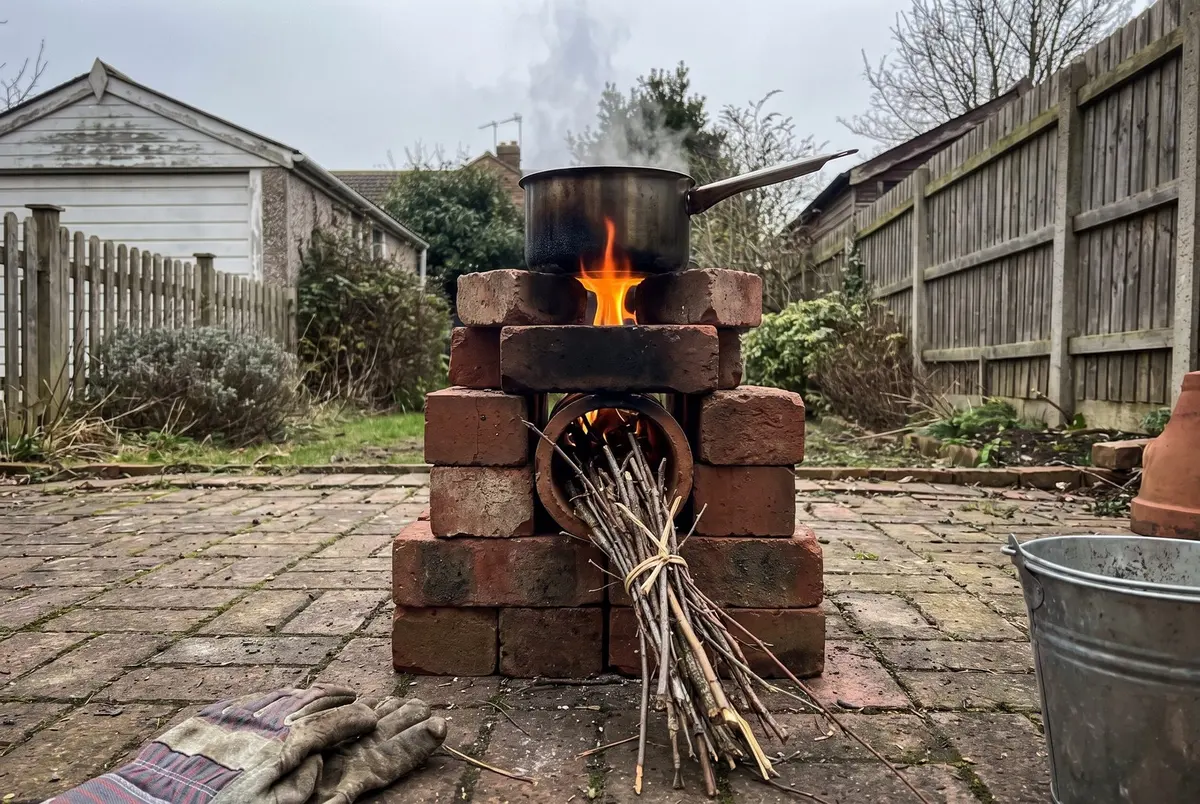
DIY rocket stove: how to build one from bricks in an afternoon
A pot of water boiling on a double handful of sticks, from a stove you can stack in an afternoon. It is an outdoor appliance, every time.
Heat
DIY rocket stove: how to build one from bricks in an afternoon
A pot of water boiling on a double handful of sticks, from a stove you can stack in an afternoon. It is an outdoor appliance, every time.
 Heat
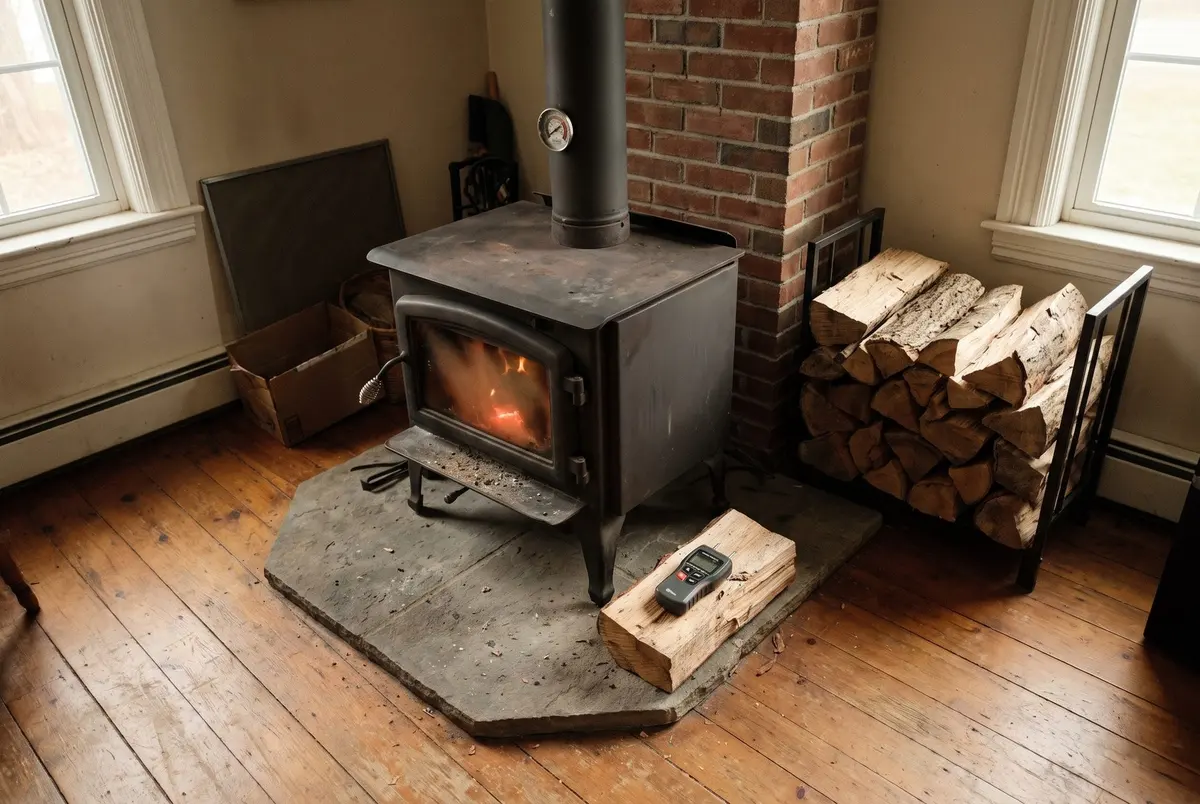
Wood stove safety: dry firewood, a clean chimney and the 3-foot rule
A code-installed wood stove is the gold standard for heat without the grid. The stove itself is safe; the shortcuts around it are not.
Heat
Wood stove safety: dry firewood, a clean chimney and the 3-foot rule
A code-installed wood stove is the gold standard for heat without the grid. The stove itself is safe; the shortcuts around it are not.
 Heat
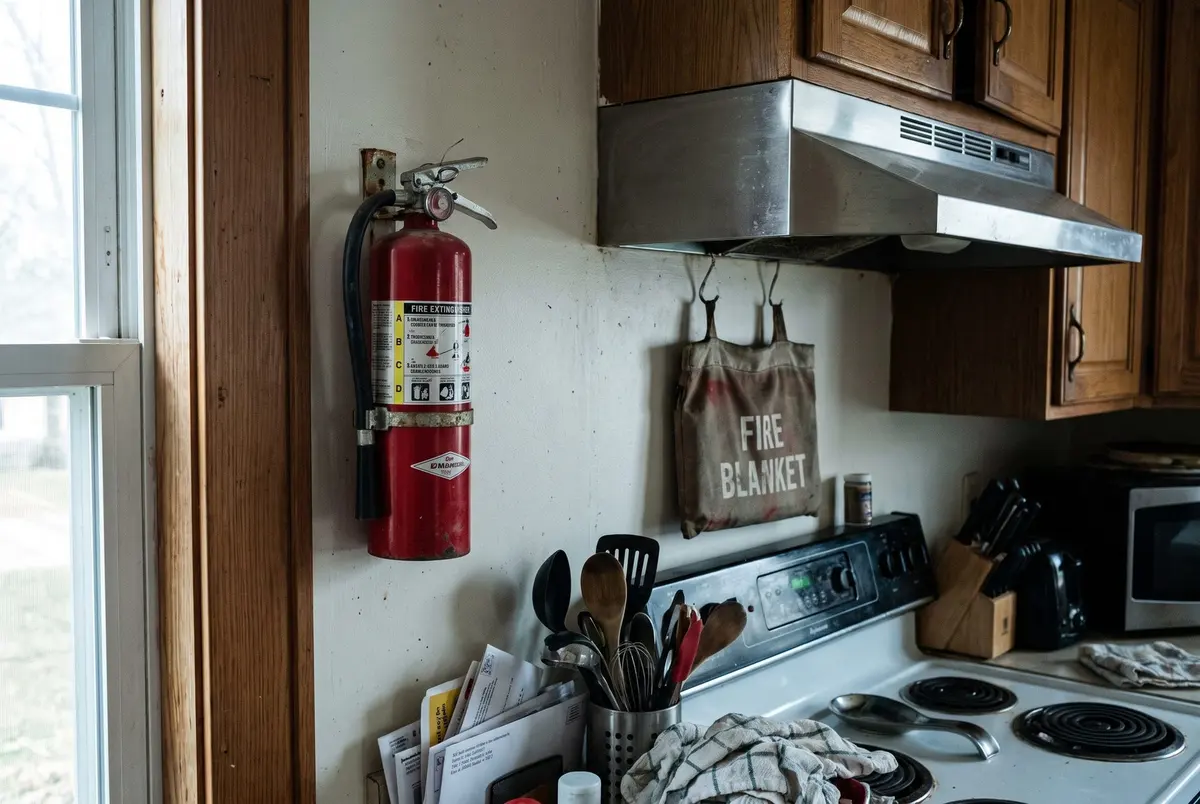
The best fire extinguisher for home use, and where to put it
Outages pile up flames, fuel, cords and distraction all at once. A mounted extinguisher and a rehearsed plan beat any improvisation.
Heat
The best fire extinguisher for home use, and where to put it
Outages pile up flames, fuel, cords and distraction all at once. A mounted extinguisher and a rehearsed plan beat any improvisation.
 Heat
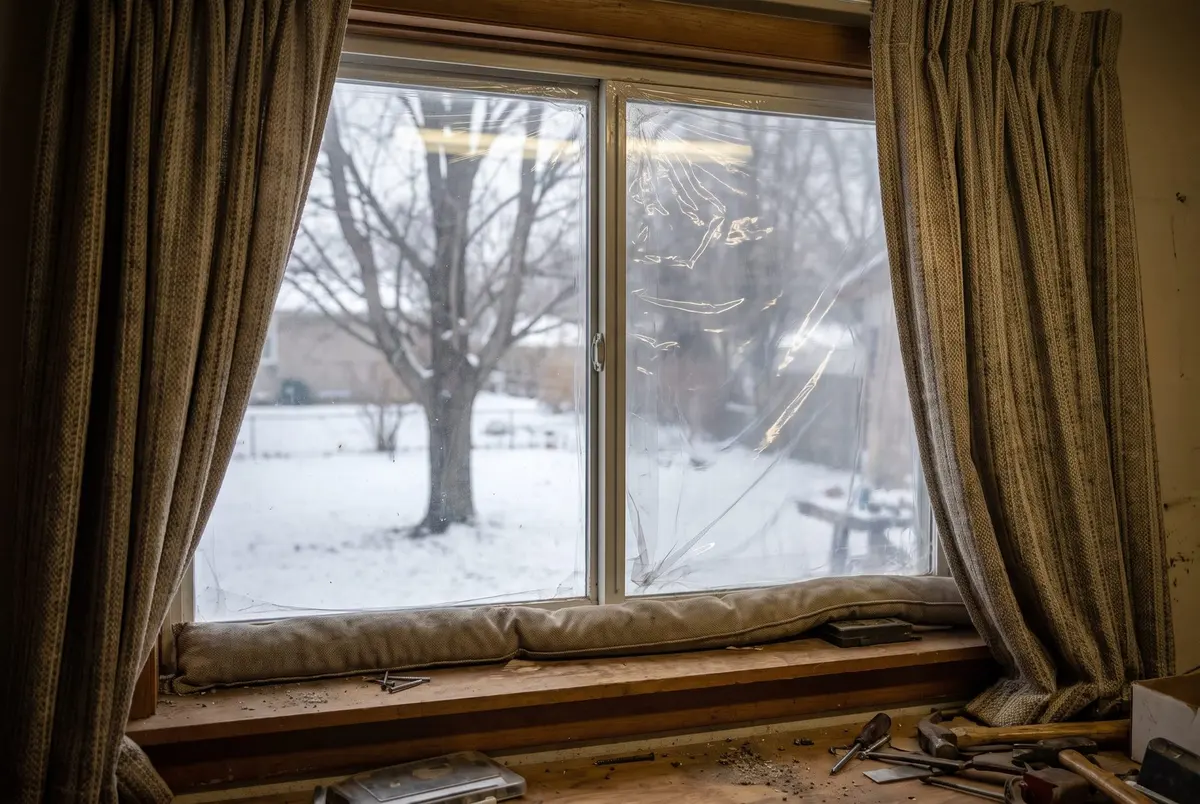
How to insulate windows for winter: shrink film, thermal curtains and a draft snake
Three removable layers turn a cold pane of glass into a pocket of still air, and none of them needs a landlord's permission.
Heat
How to insulate windows for winter: shrink film, thermal curtains and a draft snake
Three removable layers turn a cold pane of glass into a pocket of still air, and none of them needs a landlord's permission.
 Heat
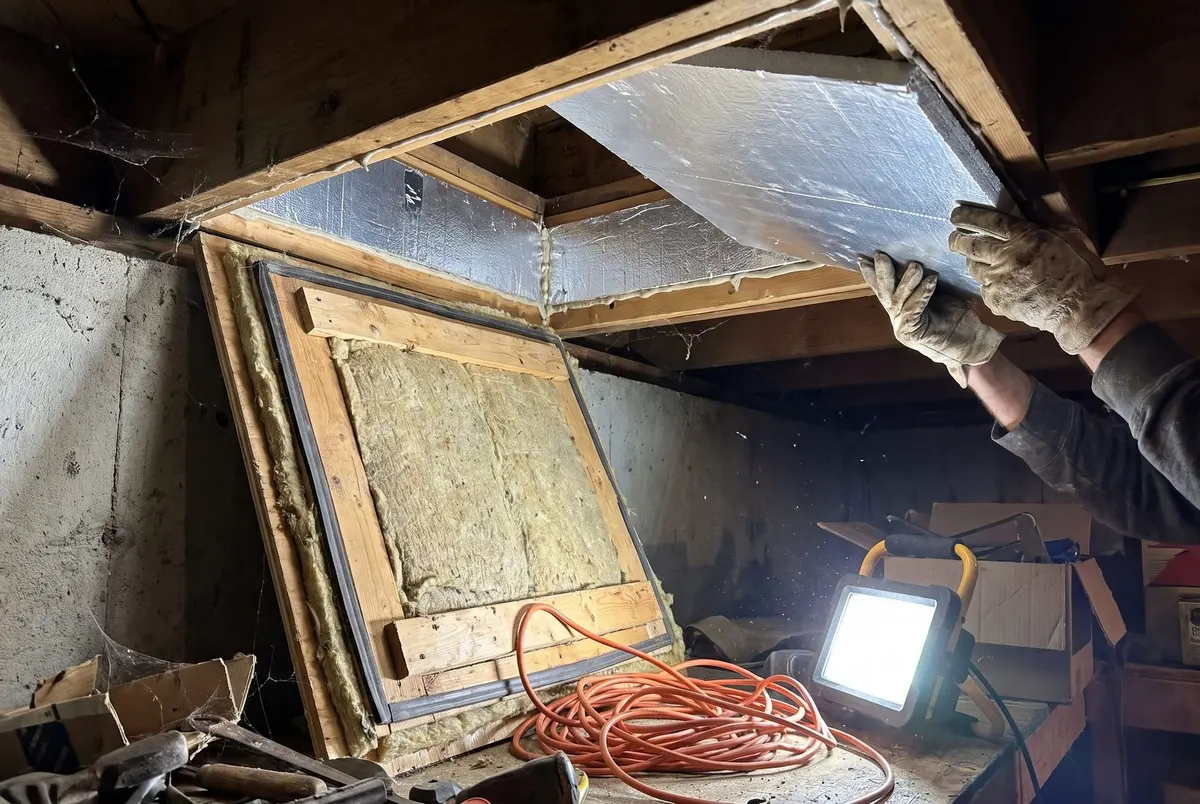
Attic hatch insulation: the afternoon fix for the worst square feet in your ceiling
A thin panel resting loosely in the ceiling leaks warm air all winter. Two layers of foam and a latch turn it into some of the best-insulated ceiling in the house.
Heat
Attic hatch insulation: the afternoon fix for the worst square feet in your ceiling
A thin panel resting loosely in the ceiling leaks warm air all winter. Two layers of foam and a latch turn it into some of the best-insulated ceiling in the house.
 Heat
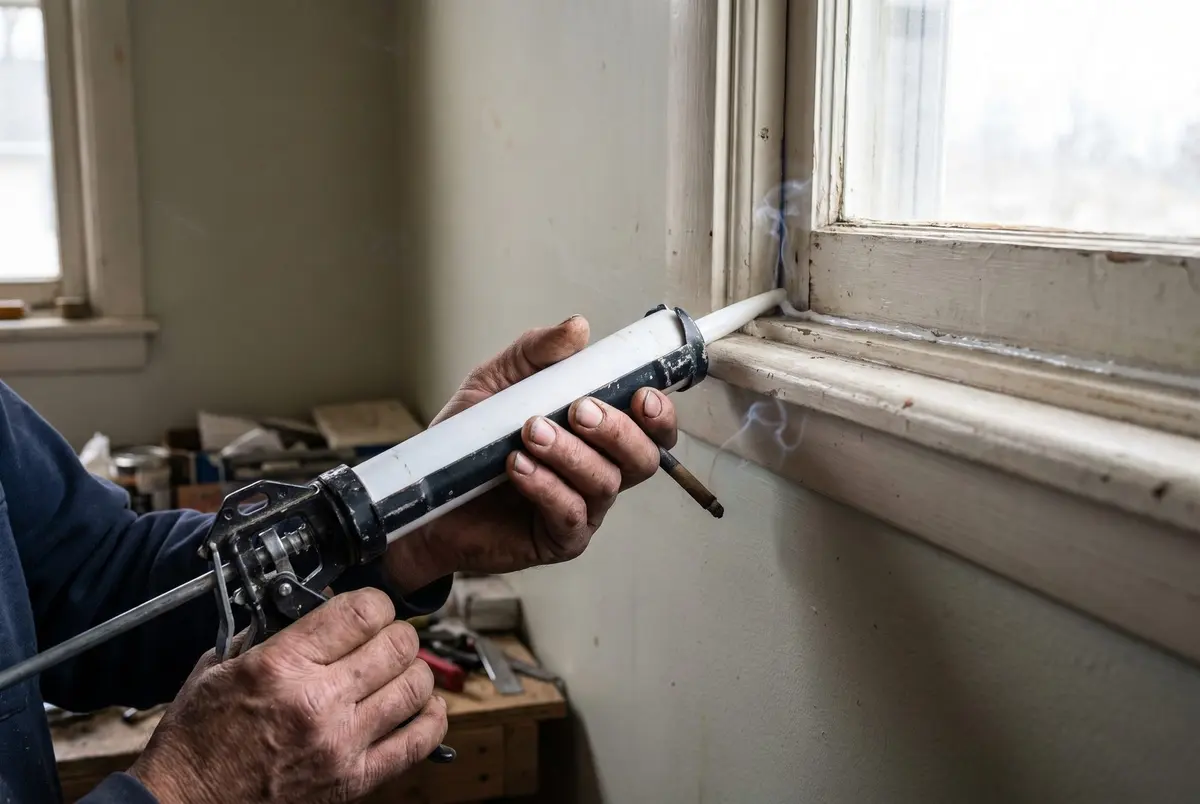
How to find air leaks in your house with a stick of incense
Heated air escaping through gaps is the largest invisible loss in most houses. Finding it takes a windy afternoon and a little smoke.
Heat
How to find air leaks in your house with a stick of incense
Heated air escaping through gaps is the largest invisible loss in most houses. Finding it takes a windy afternoon and a little smoke.
 Heat
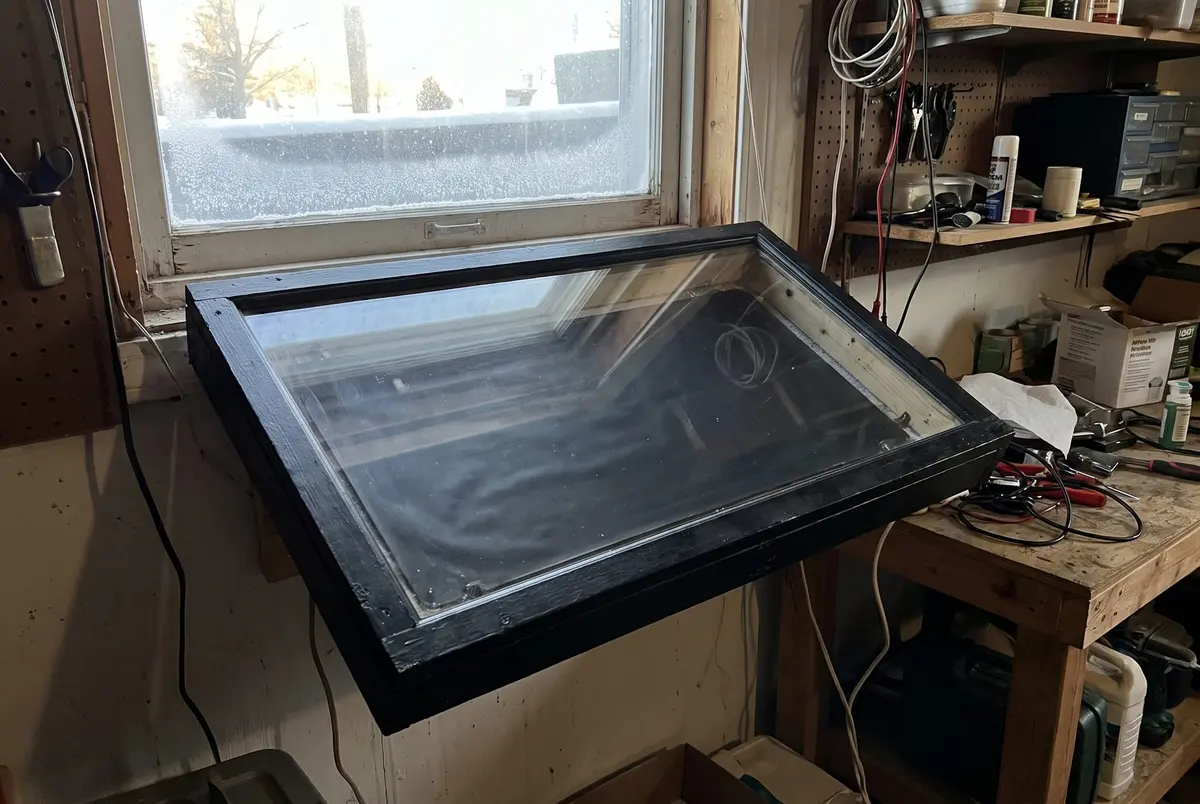
DIY solar air heater: a window box that warms a room with no fuel and no fan
A shallow glazed box hung in a south window pumps warm air into the room on any sunny winter day, and it is the one room heater in the book that cannot poison anyone.
Heat
DIY solar air heater: a window box that warms a room with no fuel and no fan
A shallow glazed box hung in a south window pumps warm air into the room on any sunny winter day, and it is the one room heater in the book that cannot poison anyone.
 Heat
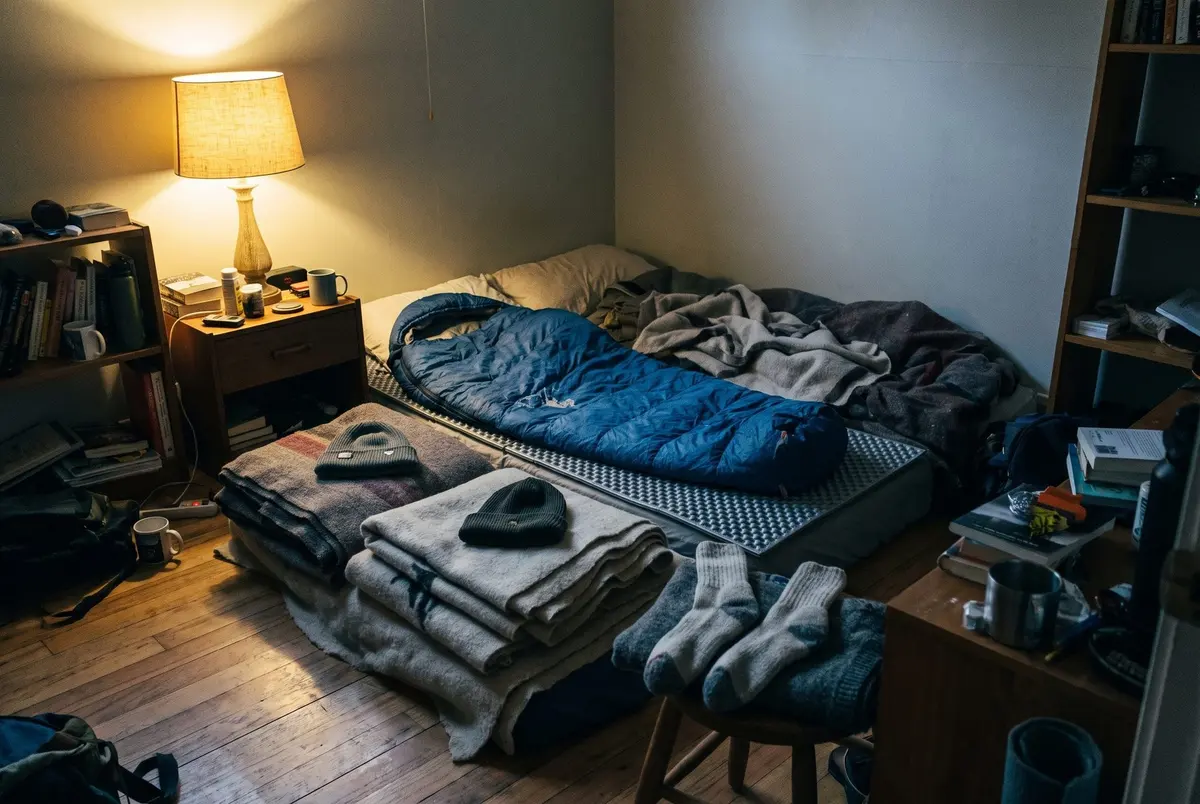
How to sleep warm in a cold house, with no heat burning overnight
People rarely get into trouble in a cold house in the afternoon. The dangerous hours are the small hours, and a proper sleep system covers them with zero fuel.
Heat
How to sleep warm in a cold house, with no heat burning overnight
People rarely get into trouble in a cold house in the afternoon. The dangerous hours are the small hours, and a proper sleep system covers them with zero fuel.
 Heat
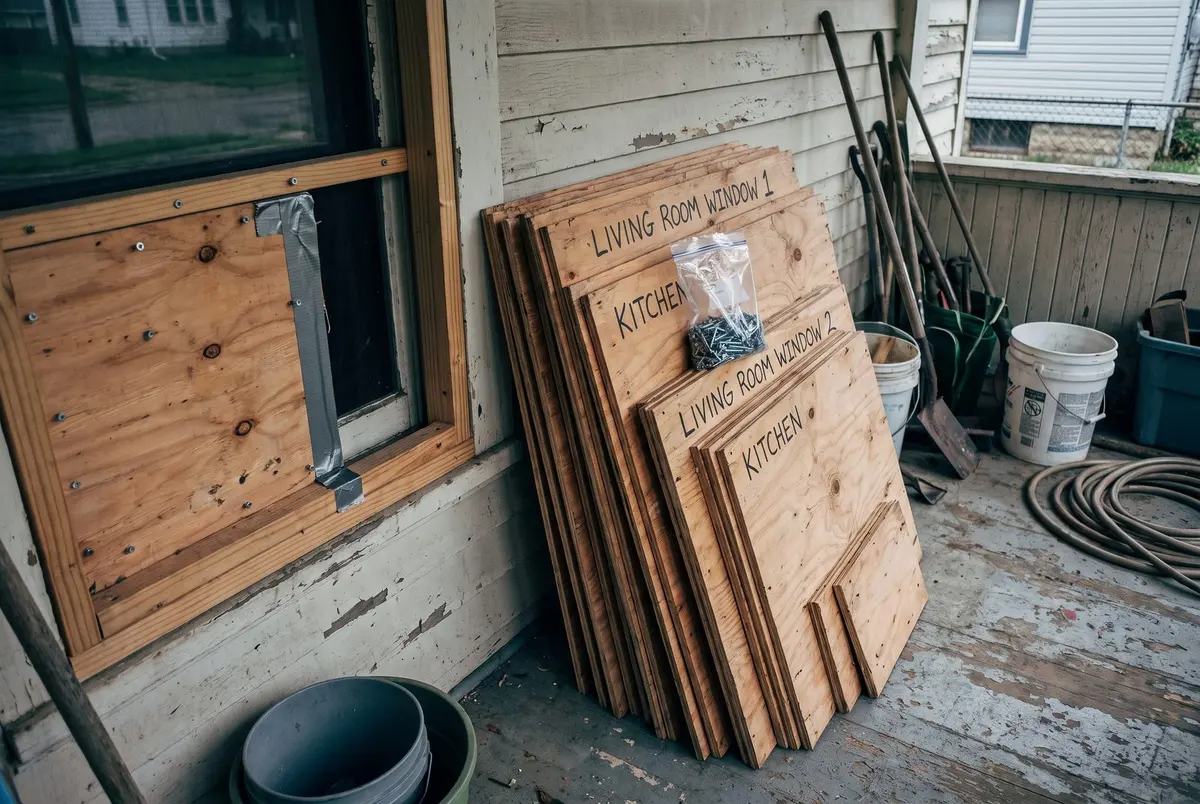
How to board up windows for a hurricane, done in July instead of the night before
Plywood costs the same in July as it does two days before a named storm. Only one of those weeks still has any on the shelf.
Heat
How to board up windows for a hurricane, done in July instead of the night before
Plywood costs the same in July as it does two days before a named storm. Only one of those weeks still has any on the shelf.
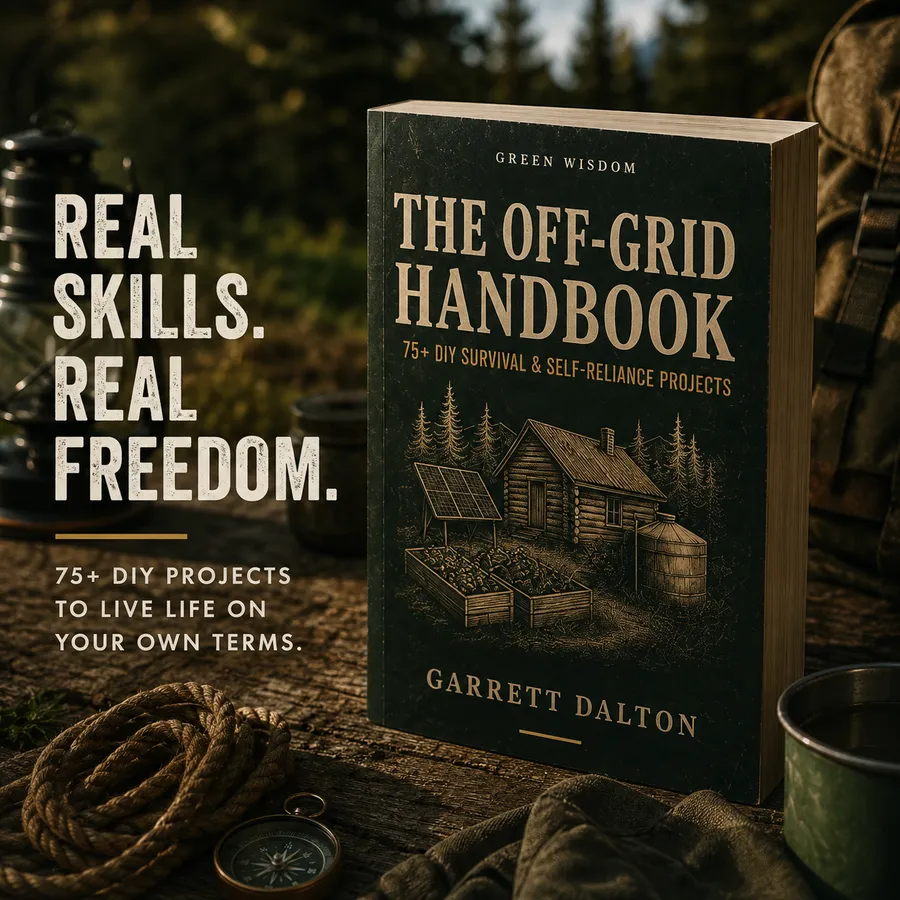
The book behind the Journal
The Off-Grid Handbook
Every guide in the Journal is built on one project from a single printed book: 75 projects across water, power, food, heat and readiness, each one built, tested and photographed by hand by Garrett Dalton, former U.S. Navy SEAL, before it earned a page.
Cost, time and difficulty at the top of every project. A photograph for every step.
See the HandbookFree shipping · 30-day money-back guarantee