Emergency water storage in the bathtub: when to fill it and how to use it
A full tub is the biggest water container most homes already own. The trick is filling it early and knowing what that water is for.
In this article
An emergency water storage bathtub plan is simple: fill the tub as soon as a storm, outage or water problem starts, while the taps still have pressure. A tub holds 40 to 60 gallons, according to The Off-Grid Handbook. Use that water for flushing, washing and cleaning. The National Weather Service says not to drink bathtub water; if you have to, disinfect it first.
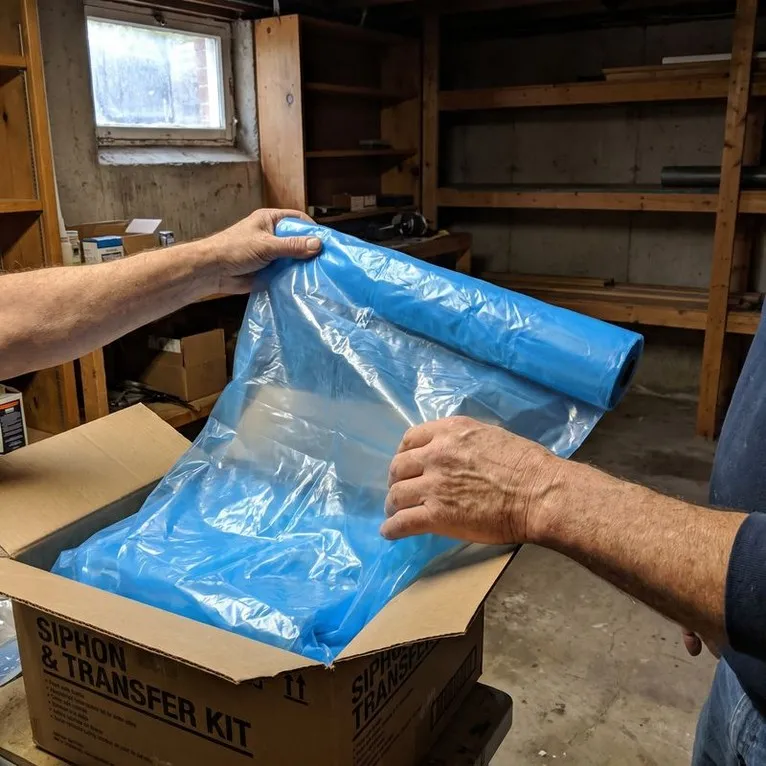
The book makes filling the tub the third action of its first-hour triage, right after people and hazards. Its Project 11, the Siphon & Transfer Kit, adds a bathtub liner and a siphon for about $20 and 30 minutes of work.
Why fill the bathtub first
Chapter 0 of the Handbook, The First-Hour Plan, explains the timing in one line: water pressure that fills a bathtub in minute ten is gone by hour three. City water often keeps flowing at first, but pressure can drop when the utility's pumps lose power, and a private well stops as soon as the pump does.
The bathtub is the one large container already plumbed and ready. Ten minutes of running taps can put dozens of gallons in reserve before anyone knows how long the outage will last. CDC's hurricane guidance says the same: fill clean containers with drinking water, and fill sinks and bathtubs with water for washing.
For the full first hour, including what happens with a well, see does water work during a power outage.
How much water does a bathtub hold?
The Handbook puts a filled tub at 40 to 60 gallons. EPA's WaterSense program says a full bathtub can take up to 70 gallons. The real number depends on the size of your tub and how high you fill it; most people stop below the overflow drain.
| Use | About how much |
|---|---|
| One toilet flush, poured into the bowl | 1.5 to 2 gallons (the Handbook) |
| Drinking, per person per day | 1 gallon (CDC, Ready.gov) |
| A full tub | 40 to 60 gallons (the Handbook); up to 70 (EPA) |
For a family of four, a tub covers a lot of flushing and washing over a few days. That leaves your stored drinking water, the dated containers from Project 5, for drinking and cooking.
Is bathtub water safe to drink?
Not as it sits. An ordinary bathtub is not a clean drinking container: soap film, skin oils and cleaning residue stay on the surface, and the water sits open to the air. The National Weather Service's hurricane guidance is direct: use water in bathtubs for cleaning and flushing only, and do not drink it.
If you run out of other water and have to drink from the tub, disinfect it first. Boil it for 1 minute (3 minutes above 6,500 feet), or treat it with plain, unscented bleach, as described in how to purify water with bleach. Boiling and bleach kill germs; they do not remove cleaning chemicals, so a tub that was recently scrubbed with cleaner is a poor source for drinking.
Bathtub water storage bladder: the liner option
A liner keeps the water off the tub surface. The book's Project 11 adds one to the kit: a large food-safe bag or a purpose-made tub bladder, filled at the first sign of trouble. Bladders usually come with a fill hose and a small pump or spout for drawing water out.
A liner helps in three ways:
- It keeps the water cleaner, since it never touches the tub.
- It solves the slow-leaking drain stopper, which can empty a tub overnight.
- It keeps dust and debris out when the top is closed.
Follow the maker's instructions for how long the water keeps. This journal still treats liner water as water to disinfect before drinking, unless the product's instructions and your own judgment say otherwise. If you do not have a liner, check the stopper before you fill, and test it once on an ordinary day.
The emergency water storage bathtub routine
- Fill early, cold water only, while pressure lasts. Fill sinks and clean pots too.
- Keep a lid on it where you can: a shower curtain pulled across or a liner closed.
- Draw it out with a clean pitcher or a siphon, not by dipping hands. The siphon method is in how to start a siphon without your mouth.
- Flush by pouring into the bowl, not the tank: 1.5 to 2 gallons per flush, per the Handbook. The full method is in how to flush a toilet without water.
- Reuse what you can. Water from washing hands or dishes can flush the toilet next, the idea behind a simple greywater loop.
Other water already in the house
The tub is not the only reserve. EPA lists melting ice cubes and draining the water heater or the pipes as emergency sources of water inside the home, and Utah State University Extension adds that you should turn off the heat source before drawing water from a water heater. Let the water cool, then draw it from the drain valve at the bottom into a clean container.
Sinks, stock pots and clean buckets can all be filled in the same ten minutes as the tub. Label which water is for drinking and which is for washing, so nobody mixes them up on day two. Your dated drinking water store, described in how to store water long term, stays sealed until it is needed.
Small children and a full tub
A full bathtub is a drowning hazard for young children. CPSC warns that young children can drown in small amounts of water, that most in-home child drownings happen in bathtubs, and that a child should never be left alone near a tub or bucket with water in it.
If there are toddlers in the house, close the bathroom door and add a doorknob cover or latch for as long as the tub is full, and empty buckets when you are done with them. A tub bladder with its top closed adds a layer, but supervision is the real protection.
When the outage ends, use what is left in the tub for flushing or the garden, then clean and dry the liner before you pack it back into the kit. The book stows the whole Project 11 kit with the water gear, so it is in one place the next time the lights go out. For the rest of the first-hour checklist, see what to do when the power goes out.
Frequently asked questions
Should I fill my bathtub with water before a storm?
Yes. Fill it as early as you can, while the taps still have pressure. The Off-Grid Handbook puts a full tub at 40 to 60 gallons. The National Weather Service says to use that water for cleaning and flushing, not drinking.
Can you drink bathtub water in an emergency?
Only after disinfecting it, and only if you have no better water. Boil it for 1 minute (3 minutes above 6,500 feet) or treat it with plain, unscented bleach. Boiling and bleach do not remove cleaning chemicals, so a freshly scrubbed tub is a poor drinking source.
How much water does a bathtub hold?
The Off-Grid Handbook says a filled tub holds 40 to 60 gallons. EPA's WaterSense program says a full bathtub can take up to 70 gallons. The amount depends on the tub's size and how high you fill it.
Is a bathtub water bladder worth it?
It keeps water off the tub surface, solves leaky drain stoppers and keeps debris out. The Off-Grid Handbook adds a food-safe liner or tub bladder to its siphon kit. Follow the product's directions, and disinfect the water before drinking unless the instructions clearly say otherwise.
Sources
- The Off-Grid Handbook, Garrett Dalton, Chapter 0 intro
- National Weather Service: Hurricane Safety Checklist
- CDC: Preparing for Hurricanes or Other Tropical Storms
- CDC: How to Make Water Safe in an Emergency
- EPA WaterSense: Shower Better
- CPSC: In-Home Drowning Safety Information Center
Safety guidance changes. Check the agency pages above for the current version, and follow your local code and manufacturer instructions.