Is it safe to run a generator overnight? Yes, if three rules hold all night
Night is when carbon monoxide is most dangerous, because sleeping people do not notice the warning signs. The rules do not change after dark. The margin for error does.
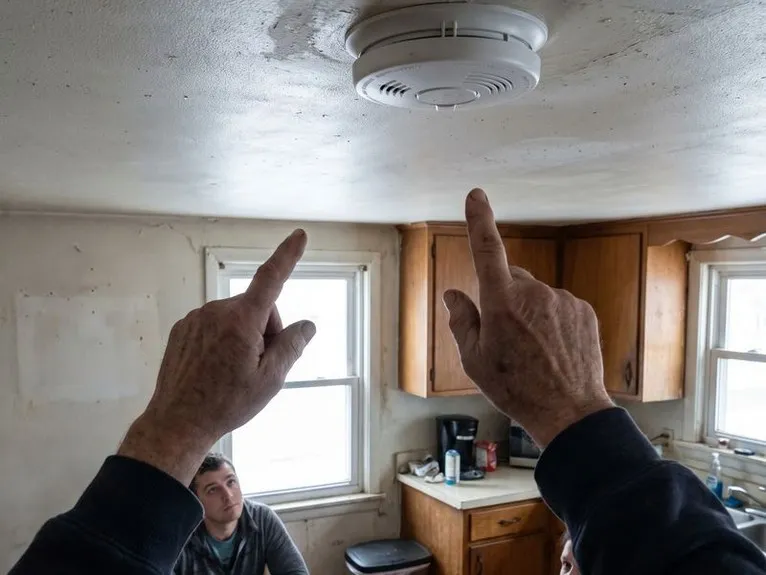
In this article
Is it safe to run a generator overnight? It can be, but only if three rules hold all night: the generator is outdoors, it is at least 20 feet from the house with the exhaust pointed away, and battery-backed carbon monoxide alarms are working on every level of the home. Night raises the stakes because the CDC warns that people who are sleeping can die from CO poisoning before they have symptoms. Many households simply switch the generator off at bedtime.
The Off-Grid Handbook calls those three rules absolute in its Project 25 safety box: twenty feet, outdoors, CO alarms on every level. This guide applies them to the hours when nobody is awake to notice a problem.
Is it safe to run a generator overnight?
Yes, when the setup would be safe at noon and nothing changes after dark. Before bed, walk out and check:
- Location. Outdoors, at least 20 feet from any door, window or vent, per the CDC. Not in a garage, basement, shed, porch or carport, per the CPSC.
- Exhaust direction. Pointed away from your home and from any building someone could enter, including a neighbor's.
- Openings closed. Windows and vents in the path of the exhaust shut, as the CPSC advises.
- Alarms. CO alarms with batteries on every level and outside sleeping areas, tested.
If any of these is not true, the answer for tonight is no. Turn it off.
Why generator carbon monoxide is worse at night
Carbon monoxide has no color and no smell. The CDC lists the most common symptoms as headache, dizziness, weakness, upset stomach, vomiting, chest pain and confusion. Awake, you might notice them. Asleep, you will not, and the CDC is explicit that sleeping people can die before they have symptoms.
The CPSC counts an average of about 100 deaths a year in the US from carbon monoxide from portable generators. That is why the alarm is not optional overnight. It is the only part of the system that stays awake.
When buying, the CPSC suggests looking for a portable generator with a CO shut-off safety feature. It is a sensible extra, not a replacement for distance or alarms.
The alarm grid: Project 52
The Handbook treats CO alarms as part of the generator project, and it gives them a project of their own. Project 52, the CO and smoke alarm grid, takes about an hour and around $90, and the book calls it the highest life-safety-per-dollar project it contains.
- CO alarms on every level and outside sleeping areas.
- Battery backup is the non-negotiable spec, because alarms must work exactly when the grid does not. A plug-in alarm with no battery is silent in an outage.
- Test monthly by button, and replace units at the expiry date stamped on them.
The CPSC adds that interconnected alarms are best: when one sounds, they all sound. For heights and rooms, see carbon monoxide detector placement.
Do you need to run it all night?
Often not. Ready.gov says a closed refrigerator keeps food cold for about four hours and a full freezer holds its temperature for about 48 hours. A common pattern is to run the generator through the evening, switch it off at bedtime with the fridge cold, and start it again in the morning.
That also removes the riskiest chore of the night. OSHA says to shut a generator down and let it cool before refueling, because fuel spilled on hot engine parts can ignite. Doing that in the dark, half awake, is best avoided.
If someone depends on a powered medical device overnight, a battery power station can carry it silently and with no exhaust, so it can sit indoors next to the bed. See what size solar generator you need and how long a power station runs a refrigerator. For food timing, read how long food lasts in the fridge without power.
Running a generator at night: noise, weather and theft
Night brings its own temptations to move the generator, usually from tired people with good intentions. Each one has the same answer: it stays where it is.
- Noise. Do not move it closer to the house to keep it away from the street or neighbors. Point the exhaust away from every home instead.
- Weather. If rain or snow is coming overnight, follow the manufacturer's guidance or switch it off. See can you run a generator in the rain.
- Theft. Never bring it into a garage or shed to protect it. Secure it outdoors, at its 20-foot spot.
If you share a fence line, tell the neighbors where the generator will sit and which way the exhaust points. A short conversation before the storm is easier than one at midnight, and it lets them close their own windows on that side.
The Handbook's field note helps here too: an inverter generator sized to your measured load runs quieter and uses less fuel, which makes evening use easier to live with.
A bedtime checklist
- Walk out with a flashlight: generator in its spot, at least 20 feet away, exhaust aimed away from every home.
- Close windows and vents on that side of the house.
- Press the test button on the CO alarm nearest the bedrooms.
- Decide: enough fuel to run until morning, or switch it off now while the fridge is cold.
- Keep a phone and a flashlight by the bed.
If a CO alarm sounds at night
Project 52 asks you to brief the whole household on this response ahead of time. A CO alarm means everyone out to fresh air first, then call 911 from outside. Do not stop to find the source or switch off the generator from inside. Do not go back in until emergency responders say it is safe.
The same applies if anyone wakes with a headache, dizziness, nausea or confusion while a generator or heater is running, even if no alarm sounds. Treat it as carbon monoxide: get to fresh air, then call 911. For the full placement rules, see running a generator in the garage.
Frequently asked questions
Is it safe to run a generator overnight?
It can be, if the generator is outdoors, at least 20 feet from doors, windows and vents with the exhaust pointed away, and battery-backed CO alarms are working on every level and outside sleeping areas. If any of those is missing, turn it off for the night.
Why is generator carbon monoxide more dangerous at night?
Because sleeping people do not notice the symptoms. The CDC warns that people who are sleeping can die from CO poisoning before they have symptoms. Working, battery-backed CO alarms near sleeping areas are the only warning that stays awake all night.
Should I turn off my generator at night?
Often that is the simplest choice. Ready.gov says a closed refrigerator keeps food cold for about four hours and a full freezer for about 48. Many households run the generator in the evening, switch it off at bedtime and restart it in the morning, which also avoids refueling in the dark.
What should I do if my CO alarm goes off at night?
Get everyone out to fresh air immediately, then call 911 from outside. Do not look for the source or go back in to switch off the generator. Wait until emergency responders say the home is safe.
Sources
- The Off-Grid Handbook, Garrett Dalton, Project 25
- CDC: Carbon Monoxide Poisoning Basics
- CDC: Use a Generator Safely
- CPSC: Safety Tips to Help Families Prevent Carbon Monoxide Poisoning and Fires
- Ready.gov: Power Outages
- OSHA Fact Sheet: Using Portable Generators Safely
Safety guidance changes. Check the agency pages above for the current version, and follow your local code and manufacturer instructions.