Emergency preparedness for kids: give them a real job, not a lecture
Children notice everything during an emergency. The ones with something to do are the ones who stay calm.
In this article
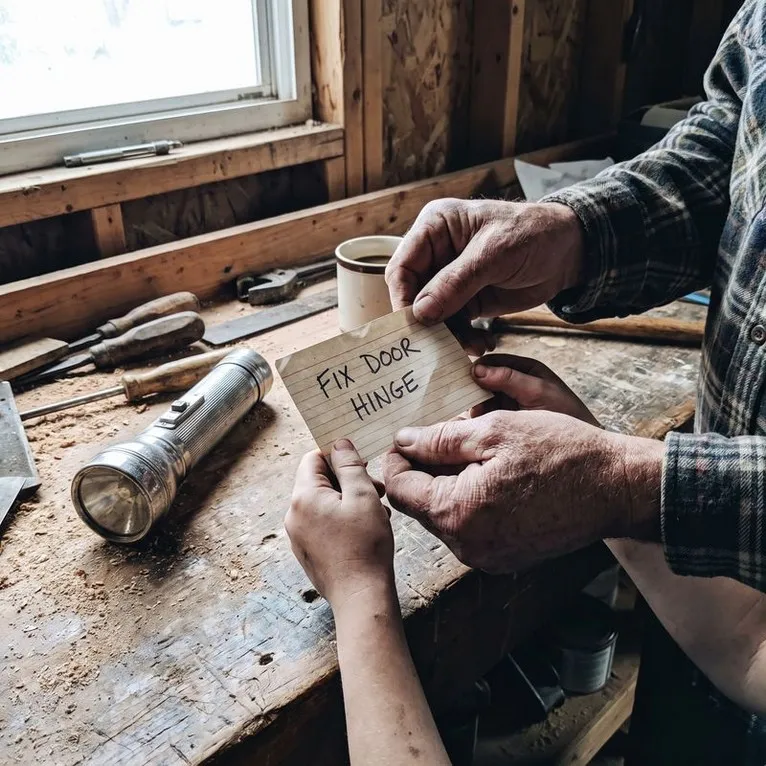
The heart of emergency preparedness for kids is simple: give them a real role, sized to their age, and practice it together before anything happens. The CDC says getting children to help prepare teaches them safety basics and makes them feel prepared and empowered, which can reduce stress during an emergency.
The Off-Grid Handbook builds this into Project 62, Household Roles, one evening and no cost. Its step 3 is short: children get real roles scaled down, such as flashlight steward, pet officer and supply counter. "Included children are calmer children."
How to talk to kids about emergencies
Children pick up on worry faster than on words. The CDC's advice for parents is to stay calm, reassure them, and talk about what is happening in a way they can understand: keep it simple and age-appropriate.
Before anything happens, the conversation can be matter-of-fact, the way you talk about seat belts:
- "Sometimes the power goes out for a while, or a big storm comes." Name the events your area actually gets.
- "We have a plan, and you have a job in it." This is the part that turns worry into something to do.
- "Grown-ups are taking care of the big things." Children need to know they are not responsible for keeping everyone safe.
The CDC also notes that reviewing safety plans ahead of time increases children's confidence and gives them a sense of control. Keep the tone of an ordinary family task, not a warning. The Handbook's own advice for talking with neighbors fits here too: not doomsday talk.
Emergency preparedness for kids, by age: real jobs
Project 62 starts with a list of the standing jobs: water, power, heat and the warm room, food, communications, a safety walk-around, a neighbor check, and documentation. Then it assigns them by capability, not tradition. The teen who lives on electronics may be the best power officer in the house.
| Role | What it involves | Good fit |
|---|---|---|
| Flashlight steward | Knows where every flashlight is, hands them out, checks batteries | Young children |
| Pet officer | Food, water, leash and carrier for the pets | Children who already help with pets |
| Supply counter | Counts water jugs and snacks, reports what is low | Children who can count and write |
| Radio and information | Turns on the radio on the hour, writes down updates | Older children |
| Power officer | Charges phones and lights from the power station | Teens |
The ages are a rough guide; you know your children. The Handbook's rules for the rest: every role has a deputy, so the plan survives one absence, and each person gets a card with their tasks in order, their station and their deputy. Re-deal the roles as children grow.
The book's field note explains why this works: a person with a job has somewhere to put the adrenaline. That is as true for an eight-year-old as for an adult.
An emergency plan for kids: what they should know
Beyond the job, children need a few facts that don't depend on a working phone. Ready.gov's family planning guidance for kids covers most of them:
- One out-of-town contact that everyone in the family calls or texts. Someone out of town may be easier to reach in a disaster.
- Text, don't talk. Texts can get through when phone lines are tied up.
- Meeting places: safe, familiar places where the family can reunite.
- A written copy in a backpack, wallet or notebook.
- How and when to call 911.
The Handbook's communications plan, Project 63, turns this into wallet cards with contact numbers and reunion points, because every number the household knows is stored in a device with a battery. It also spells out who picks up whom. Ask your child's school how it handles emergencies and releases students. The CDC advises following the school's plan rather than rushing there during the emergency itself. The full setup is in our family emergency communication plan.
Practice it as a family evening
A plan children have never tried is a plan they will forget. Project 71 of the Handbook is a quarterly power-down drill: a weekend evening, main systems off, everyone running their role. The book insists on the right tone: "the household's quarterly evening of competence, not a fire alarm." Households that enjoy the drill keep drilling.
Make it fun on purpose. Cook dinner on the outdoor station, play cards by lantern light, and let the flashlight steward run the show. At the debrief, the book asks what the children handled better than the adults. There is usually something. Our list of things to do during a power outage for fun has ideas for the evening.
Fold a fire drill in too. NFPA recommends practicing your home fire escape plan twice a year, with two ways out of every room.
After an emergency: let them talk
When the lights come back on, children often have more to say than adults expect. The CDC suggests giving them chances to talk about what they went through, to share worries and to ask questions, and keeping a normal routine as much as possible. It also recommends helping them take some action, such as helping a neighbor or a family member in a safe way, so they feel a sense of control.
Thank each child for the job they did, by name. The flashlight steward who kept track of every light deserves to hear it. That small moment is what makes them want their role next time.
A kid-sized kit
When the Handbook builds the household's 72-hour kit in Project 68, step 2 adds the comfort layer people forget, and children's items are on that list. For each child, think about:
- A flashlight or headlamp of their own. Ready.gov recommends a flashlight for every household member. See power outage lighting.
- A comfort item: a favorite blanket, a stuffed animal, a book.
- Something to do: cards, crayons, a puzzle.
- Their wallet card with the family contacts.
- Snacks they will actually eat.
If a child is the pet officer, their kit includes the animals' three-day set, as covered in pet emergency preparedness. Grandparents can have roles too; see emergency preparedness for seniors.
Frequently asked questions
How do I prepare my child for an emergency?
Give them a real role sized to their age, teach them the family's out-of-town contact and meeting places, and practice together. The CDC says helping prepare teaches children safety basics and makes them feel empowered, which can reduce stress.
How do you talk to kids about emergencies without scaring them?
Stay calm and keep it simple and age-appropriate, as the CDC advises. Talk about the kinds of events your area gets, explain that the family has a plan, and give them a job in it so the conversation ends with something to do.
What jobs can kids do in an emergency?
The Off-Grid Handbook suggests roles like flashlight steward, pet officer and supply counter for younger children. Teens can handle bigger roles, such as charging phones and lights from a power station. Every role should have a backup person.
What should kids know in an emergency plan?
An out-of-town contact, to text instead of call, the family meeting places, how to call 911, and where their written copy of the plan is. Ready.gov suggests keeping that copy in a backpack, wallet or notebook.
Sources
- The Off-Grid Handbook, Garrett Dalton, Project 62
- CDC: Before, During, and After an Emergency (children)
- Ready.gov Kids: Make a Plan
- Ready.gov: Ready Kids
- NFPA: How to Make a Home Fire Escape Plan
- Ready.gov: Power Outages
Safety guidance changes. Check the agency pages above for the current version, and follow your local code and manufacturer instructions.