What to do after a hurricane: water, carbon monoxide, food and the insurance photos
The dangers after a storm are quieter than the wind: floodwater, fumes, bad water and tired people on ladders.
In this article
What to do after a hurricane, in order: stay put until local officials say it is safe, stay out of floodwater, keep generators and grills outdoors at least 20 feet from the house, treat tap water as unsafe until your water utility says otherwise, and photograph the damage before you clean up. The CDC's first rule is simple: do not enter a damaged building until local authorities determine it is safe.
Here is how to handle the first days, one hazard at a time.
What to do after a hurricane: the first hours
Use this after a hurricane checklist before anyone starts carrying debris or pulling up carpet:
- Listen for official instructions on a battery or hand-crank radio. If you evacuated, Ready.gov says to check with officials both where you are staying and back home before you travel.
- Look before you enter. The CDC says not to go inside if there are downed power lines, downed trees, or cracks in the walls or foundation.
- Stay clear of fallen power lines, including ones hanging overhead, and report them to the electric company.
- If you smell gas or hear hissing, leave the house at once and call the gas company or 911 from a safe distance.
- Text instead of calling. Ready.gov notes phone systems are often down or busy after a disaster.
Floodwater: turn around
Ready.gov's numbers are blunt: six inches of fast-moving water can knock you down, and one foot of moving water can sweep a vehicle away. Floodwater can also carry germs, chemicals, sewage, debris and wildlife, and downed or underground power lines can electrify it.
- Do not walk, swim or drive through it.
- If your skin touches floodwater, the CDC says to wash with soap and clean water as soon as possible, or use alcohol-based wipes or sanitizer.
- Never touch electrical equipment that is wet or while you are standing in water.
Is tap water safe after a hurricane?
Not until you know. Storms flood treatment plants, break pipes and drop water pressure.
City or town water
Follow your utility's notices. Under a boil water advisory, the CDC's method is a full rolling boil for 1 minute, or 3 minutes above 6,500 feet. Until the notice is lifted, the CDC says bottled, boiled or treated water is safe for drinking, cooking and personal hygiene. See what a boil water advisory means.
Private wells
A flooded well needs more than boiling. The EPA's guidance:
- Don't drink or wash with the water until the well has been serviced, disinfected and confirmed safe.
- Stay away from the pump and turn off its circuit breaker to avoid electric shock.
- Have a well or pump contractor clean and disinfect the well. The EPA says drilled, driven or bored wells are best disinfected by a professional.
- Test for bacteria 7 to 10 days after disinfection, for total coliform and E. coli or fecal coliform, through a certified lab. Your local health department can point you to one.
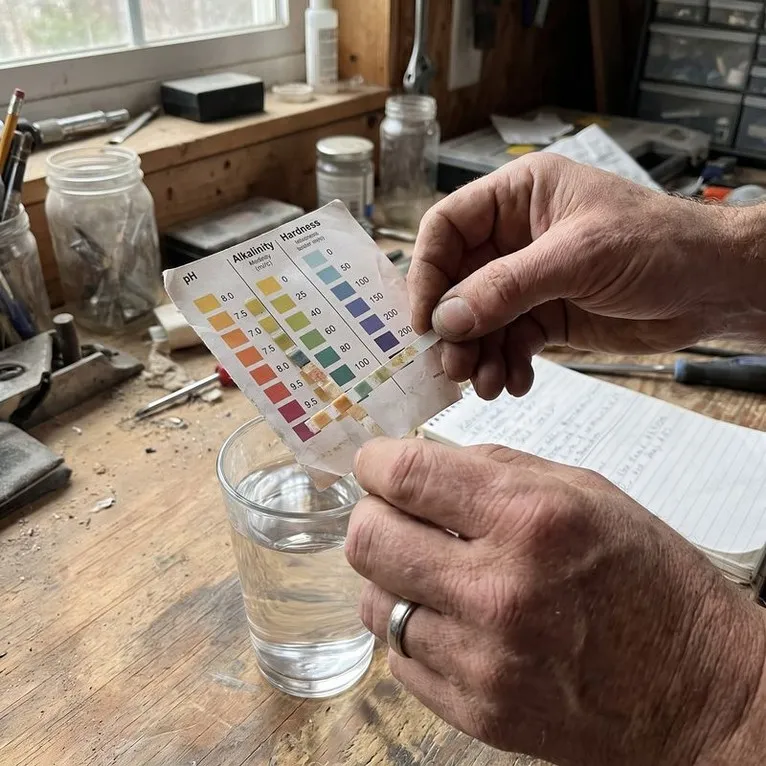
Project 13 of The Off-Grid Handbook builds this habit in advance. Its baseline step records every value while everything works, and its fourth step is to retest after floods, nearby construction, or any change in taste, odor or color. The book prices the kit at about $25 and 30 minutes, and its safety box is clear that home strips are screening tools: for wells and for infants in the house, use a state-certified laboratory. Our guide to how to test well water has the full routine.
Carbon monoxide after the storm
Generators, pressure washers and camp stoves come out after a hurricane, and so does carbon monoxide poisoning. The CDC's rule: never use portable gasoline or coal-burning equipment or camp stoves inside a home, basement or garage, and keep them outside and at least 20 feet from any window, door or vent. A garage is never safe, even with the door open. Read why a generator never belongs in the garage.
CO has no color or smell. The CDC lists the symptoms as headache, dizziness, weakness, upset stomach, vomiting, chest pain and confusion. If an alarm sounds or anyone feels these symptoms, everyone goes outside to fresh air, then call 911. More in carbon monoxide poisoning symptoms.
Never connect a generator to the house wiring yourself. A transfer switch or interlock is a job for a licensed electrician.
Food after a hurricane
- The CDC says to throw away any food that may have touched flood or storm water. Unsafe food can look, smell and taste normal.
- Throw out perishable food that has been at 40°F or above for 2 hours or more, per Ready.gov. A closed fridge keeps food cold for about 4 hours and a full freezer about 48.
- Never taste food to decide. When in doubt, throw it out.
Document the damage, then patch
FEMA's advice for insurance claims:
- Photograph and film the damage, inside and outside, before throwing anything away, including the insides of closets and cabinets.
- Record the serial numbers of large appliances.
- Keep every receipt for repairs and replacements.
- Talk to your insurance company before you sign any cleaning or repair agreement.
Two Handbook projects make this easier. Project 64's go-binder includes a ten-minute phone video of every room taken before the storm, the claim you will be glad exists, per the book. See home inventory for insurance and the emergency binder checklist. Project 58's patch kit, a tarp, wood battens, spring clamps and tape, closes a broken window against rain in minutes. Steps are in how to cover a broken window.
Cleanup without getting hurt
- Wear protective clothing and work with someone else. Ready.gov adds that children should not help with disaster cleanup.
- Mold: the CDC advises an N95 respirator, goggles and gloves. Ready.gov says people with asthma or other lung conditions, or a weakened immune system, should not enter buildings with leaks or mold they can see or smell.
- No ladders in wind, and never alone.
- Pace yourself. Take breaks and drink water. The Disaster Distress Helpline, 1-800-985-5990, takes calls and texts.
Older relatives living alone deserve a check-in call or visit. Our guide to emergency preparedness for seniors covers what to look for.
Frequently asked questions
Is tap water safe to drink after a hurricane?
Only once your water utility says so. Until then, use bottled, boiled or treated water, as the CDC advises. Under a boil water advisory, bring water to a rolling boil for 1 minute, or 3 minutes above 6,500 feet. A flooded private well must be disinfected and tested before use.
When is it safe to go home after a hurricane?
When local officials say so, both where you are staying and back home. The CDC says not to enter a damaged building until authorities determine it is safe, and not to go inside if there are downed lines, downed trees, or cracks in the walls or foundation.
How far should a generator be from the house after a hurricane?
At least 20 feet from any window, door or vent, outdoors only, according to the CDC. Never run it in a garage, basement or porch, even with doors open, and keep a battery-powered carbon monoxide alarm working inside.
What should you photograph for insurance after a hurricane?
FEMA says to photograph and film all damage inside and outside before discarding anything, including the insides of closets and cabinets, to record appliance serial numbers, and to keep every receipt for repairs. Talk to your insurer before signing any cleanup contract.
Sources
- The Off-Grid Handbook, Garrett Dalton, Project 13
- CDC: Safety Guidelines After a Hurricane or Other Tropical Storm
- CDC: Returning Home After a Natural Disaster
- Ready.gov: Hurricanes
- EPA: Protect Your Home's Water (Private Wells)
- CDC: About Carbon Monoxide Poisoning
- FEMA: How to Document Damages After Severe Weather Events
Safety guidance changes. Check the agency pages above for the current version, and follow your local code and manufacturer instructions.