How to run a power outage drill at home: one evening, a timer and a kind debrief
Every emergency plan looks fine on paper. One evening with the lights off shows which flashlight is dead and who doesn't know where the radio lives.
In this article
A power outage drill is a planned evening when the household lives as if the power were out, while the refrigerator, freezer and any medical equipment stay on, to find out what works before a real outage does. The Off-Grid Handbook version is one weekend evening per quarter, two to four hours, with the first-hour checklist on a timer, dinner from storage cooked outdoors, a kind debrief, and one fix before the next drill.
The book's opening line for Project 71 sums it up: everything in a preparedness plan is a hypothesis until the breaker proves it.
Why practice a power outage
Ready.gov's planning steps end with one instruction: practice your plan with your household. Plans fail in small, ordinary ways. The flashlight batteries are flat. The radio is in a box in the garage. Nobody remembers which cooler is the good one. A child doesn't know where to go. You find these out in a drill on a calm Saturday, or in the dark during a storm.
A drill also turns a frightening idea into a familiar routine. The Handbook calls it the household's quarterly evening of competence, not a fire alarm, and notes that households that enjoy the drill keep drilling.
How to set up a power outage drill
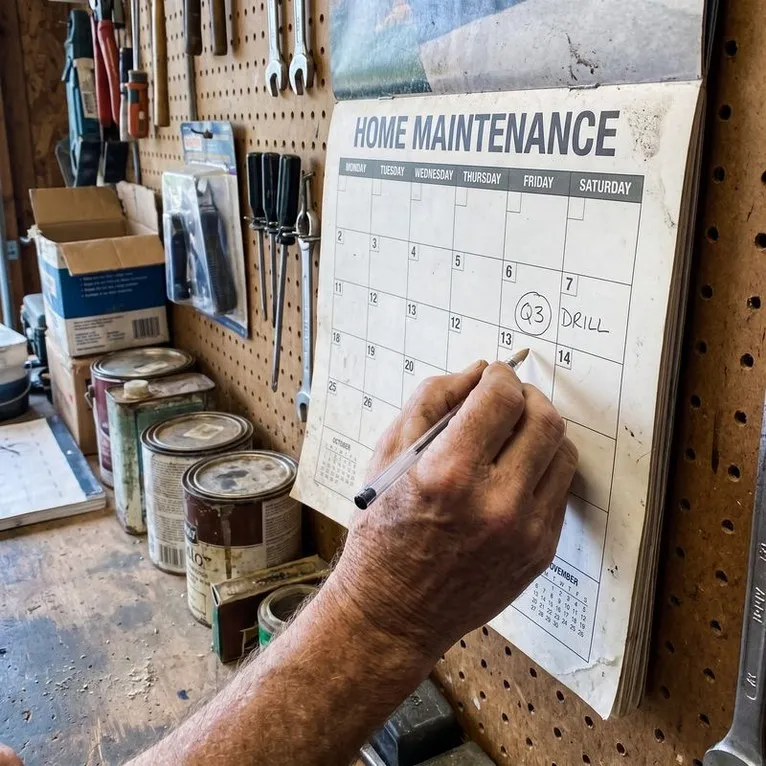
- Put it on the calendar. The book's rule is a weekend evening per quarter, everyone home, two to four hours. Pick the date like any other appointment.
- Decide what stays on. The refrigerator and freezer stay powered, since this is a drill, not a sacrifice of groceries, per the book. Medical equipment, sump pumps and anything else that protects health or the house stays on too.
- Agree on what goes off. The simplest way is a household rule: no lights, outlets, TV, Wi-Fi or electric stove for the evening. You don't need to touch the breaker panel.
- Set out the binder and a timer. The book lists the tools as the binder, a timer and a sense of humor.
Before the first drill, do the homework Ready.gov suggests: take an inventory of everything in the house that relies on electricity, and find out whether your home phone works in an outage and how long its battery backup lasts. Anyone with a power-dependent medical device or refrigerated medicine should ask their medical provider about a plan. The drill then tests that list instead of discovering it.
Use flashlights and battery lanterns, not candles. The CDC says to use flashlights or other battery-powered lights instead of candles when the power is out. A headlamp for each adult leaves both hands free.
The first hour on a timer
The center of the Handbook drill is running the first-hour card for real. The book's standard for the triage block is 20 minutes:
- Everyone carries out their role: one person on lights, one on the radio, one checks on older relatives or neighbors, one notes the time.
- Lights and radio are up.
- In the cold-season drill, the warm room is set up: one room chosen, doorways sealed with blankets, everyone's bedding moved in.
- Fridge and freezer doors stay shut, and the time is written on the door.
Start the timer when you "lose power" and stop it when the triage list is done. The full first-hour routine is in what to do when the power goes out.
Dinner from storage, cooked outdoors
The book's third step is to cook the evening meal from stored food on the outdoor cooking station, and to run the backup power setup under real load. This is where many plans meet reality: the camp stove needs a part, the fuel canister is nearly empty, or the power bank doesn't charge the phone as long as expected.
The rule doesn't bend for a drill: camp stoves, grills and generators are used outdoors only, never in the house or garage, and the CDC says at least 20 feet from windows, doors and vents for generators. Setups are in outdoor cooking station. If you'd rather not cook, have a no cook emergency food dinner straight from the pantry.
Family emergency drill: rotate the extras
The Handbook rotates one special exercise through each quarter, so all of them happen once a year:
| Quarter | Extra exercise | Where to read more |
|---|---|---|
| 1 | Communications round: everyone texts the out-of-area contact | Family emergency communication plan |
| 2 | Shelter-in-place seal of one room | Shelter in place kit |
| 3 | Board-up timing: one window, on the clock | How to board up windows |
| 4 | Evacuation load-out: kit, binder and pets to the car | Evacuation checklist |
Put the order in whatever sequence suits your weather. In hurricane country, the board-up timing belongs before summer. Add a fire escape practice to one evening too: the National Fire Protection Association recommends practicing your home fire escape plan twice a year, at night and during the day.
The debrief
The book's fifth step is to debrief over the meal, kindly: what stumbled, what surprised, what the children handled better than the adults. Then log it and fix one thing before the next drill. One fix, not ten. A list of ten becomes a list of none.
The log line that matters most, per the book's field note, is the time on the triage block. Watch it fall from 40 minutes to 15 across a year of drills, and you can see the plan working.
Power outage drill checklist
- Date on the calendar, everyone told
- Fridge, freezer and medical equipment left on
- Binder, first-hour card and timer on the table
- Flashlights for every person, fresh batteries, no candles
- Radio found and working
- Roles assigned, including the person who checks on others
- Dinner from storage, cooked outdoors or no-cook
- This quarter's extra exercise
- Debrief, triage time logged, one fix chosen
For children, a drill works best when it feels like an adventure. Our guide to what to do during a power outage for fun has ideas for the long evening. If an older adult lives alone, run a short drill with them and check their lights, phone charging and medicines while you are there.
Frequently asked questions
How do you practice a power outage at home?
Pick an evening, keep the refrigerator, freezer and medical equipment on, and agree that lights, outlets and screens are off. Run your first-hour checklist on a timer, cook dinner from storage outdoors or eat no-cook food, then talk about what went wrong and fix one thing.
How often should you do a family emergency drill?
The Handbook suggests one power outage drill per quarter, with a different extra exercise each time. Ready.gov advises practicing your plan, and the NFPA recommends practicing a home fire escape plan twice a year.
Should you turn off the main breaker for a power outage drill?
You don't need to. A household agreement to leave lights, outlets and screens off works and keeps the refrigerator, freezer and any medical equipment running. The Handbook says refrigeration stays powered during the drill.
Can you use candles during a power outage drill?
Use flashlights and battery lanterns instead. The CDC recommends flashlights over candles during power outages because of the fire risk, and a drill is the right time to check that every person has one that works.
Sources
- The Off-Grid Handbook, Garrett Dalton, Project 71
- Ready.gov: Make a Plan
- Ready.gov: Power Outages
- CDC: Proper Use of Candles During a Power Outage
- CDC: Use a Generator Safely
- NFPA: How to Make a Home Fire Escape Plan
Safety guidance changes. Check the agency pages above for the current version, and follow your local code and manufacturer instructions.