Inverter generator vs regular generator: the real differences for home backup
Both are portable, both burn gasoline and both live outdoors. The difference is how they make electricity, and it changes how a household actually uses them.
In this article
In the inverter generator vs regular generator comparison, the difference is how the electricity is made. A regular generator runs its engine at a constant speed so the alternator puts out household 60-hertz power directly. An inverter generator makes power, converts it to direct current, then rebuilds it electronically into steady AC, so its engine can speed up and slow down with the load. That usually means quieter running, less fuel at light loads and steadier power for electronics. A regular generator usually gives you more watts for the money.
The Off-Grid Handbook takes a side: Project 25 lists a portable generator, inverter type preferred for electronics and fuel economy. Whichever you buy, the safety rules are identical.
How a regular generator works
A regular, or conventional, portable generator connects a gasoline engine to an alternator. To hold the 60-hertz frequency that American appliances expect, the engine has to turn at a fixed speed whether you're running one lamp or a well pump. That has consequences:
- It runs at full speed even for small loads, so it uses more fuel and makes more noise than the job requires.
- The output is rougher. Motors and heaters don't mind. Some electronics are more sensitive.
- It is simple and strong. Open-frame models offer high wattage for the price and handle large motor loads.
For a household that needs to run several large appliances at once, that raw capacity is the appeal.
How an inverter generator works
An inverter generator adds electronics between the engine and the outlet. The alternator's output is turned into direct current, and an inverter rebuilds it into clean alternating current at the right frequency. Because the electronics hold the frequency, the engine doesn't have to: it idles down when the load is small and speeds up when something big starts.
That is why the Handbook's field note on Project 25 reads the way it does: an inverter generator sized to the audit, not to the whole panel, runs quieter, sips fuel, and is the one the household will actually use. A generator that is loud, thirsty and heavy tends to stay in the shed. One that is easy to carry out and pleasant to run gets tested every month and used when the power goes out.
Inverter generator vs regular generator, side by side
| Inverter generator | Regular generator | |
|---|---|---|
| Engine speed | Varies with the load | Constant |
| Noise | Usually quieter, especially at light load | Louder, full speed all the time |
| Fuel at light loads | Less | More |
| Power for electronics | Steady, electronically regulated | Less regulated |
| Typical size range | Smaller, lighter units are common | Common in larger wattages |
| Watts per dollar | Usually fewer | Usually more |
| Safety rules | Identical: outdoors only, 20+ feet from the house, never in a garage | |
Check the manufacturer's specifications for the model you are considering. Look at two numbers in particular: running watts (what it can carry continuously) and starting watts (the short surge it can supply when a motor kicks on).
Inverter generator for home backup: size it to the audit
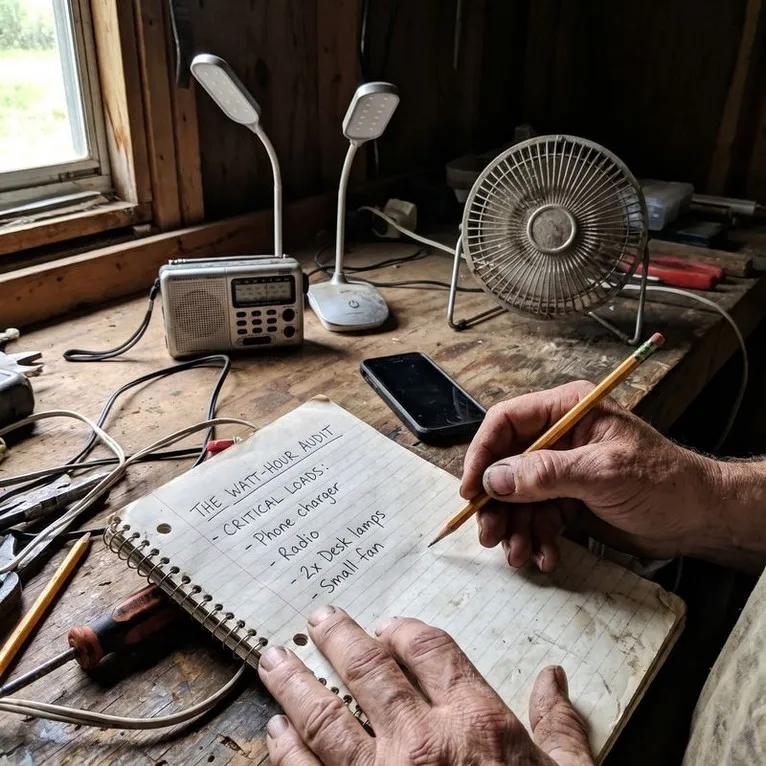
Most people shop for generators by guessing. The Handbook starts with a measurement. Project 17, the Watt-Hour Audit, lists only critical loads: phones, radio, lighting, medical devices, a fan and the refrigerator if you plan to carry it. Its rule for inverters in Project 22 applies to generators too: size from the largest single load plus a margin, not the sum of everything you own.
The refrigerator is usually the load that decides. Its compressor needs a surge when it starts, so the generator's starting watts matter. Our guide on what size generator runs a refrigerator has the math. If your critical list has no fridge, you may not need a generator at all: compare the options in solar generator vs gas generator and what size solar generator you need.
Inverter generator vs portable generator: the rules don't change
An inverter generator is a portable generator. Quiet running doesn't mean clean exhaust, and the Consumer Product Safety Commission says an average of about 100 people die each year in the U.S. from carbon monoxide from portable generators. The Handbook calls three rules absolute: twenty feet, outdoors, CO alarms on every level.
- Run it outdoors, at least 20 feet from the house, exhaust away from doors, windows and vents. Never in a garage, basement or shed, even with the door open. See why a generator can't go in the garage.
- CPSC suggests choosing a model with a CO shut-off safety feature.
- Plug appliances into the generator with outdoor-rated cords sized to the load. Our guide to generator extension cords explains gauge and length.
- Never plug a generator into a wall outlet. House circuits only through a transfer switch or interlock installed by a licensed electrician, as in our generator interlock kit guide. The Handbook is plain about it: there is no DIY version of this step.
- Keep it dry. OSHA says not to use a generator in the rain or wet conditions and to protect it with a canopy if needed. More in running a generator in the rain.
Which one should you buy?
Choose an inverter generator if your critical list is modest (fridge, lights, phones, router, a fan), if neighbors are close, if you value fuel economy over days of use, or if the person who will carry it out isn't a weightlifter. Choose a regular generator if you need to run several large loads at once and noise and weight matter less to you.
Questions to answer before you shop
- What is on the critical list, and what does it add up to? Your audit total, in watts and watt-hours.
- What is the biggest starting load? Usually the refrigerator or a well pump. The generator's starting watts must cover it.
- Where will it sit? A level, dry spot at least 20 feet from the house, away from windows, doors and vents, with a cord long enough to reach.
- Who will carry it out and start it? Weight, wheels and an electric start matter more than a spec sheet suggests.
- How much fuel are you willing to store and rotate? A thirstier generator needs a bigger rotation.
Write your audit number in the household binder first, buy to that number, and plan the monthly test run from the day it arrives. Our generator maintenance guide covers that routine.
Frequently asked questions
Is an inverter generator better than a regular generator?
For most home backup it is the better fit: it is usually quieter, uses less fuel at light loads and gives steadier power for electronics. The Off-Grid Handbook prefers the inverter type. A regular generator usually offers more watts for the money when you need to run several large loads.
Can you run a refrigerator on an inverter generator?
Yes, if its starting watts cover the fridge compressor's startup surge and its running watts cover the fridge plus anything else connected. Check the fridge label or measure it with a plug-in meter, and plug it into the generator with an outdoor-rated cord.
Is an inverter generator safe to use indoors because it is quieter?
No. Every gasoline generator makes carbon monoxide. Run it outdoors only, at least 20 feet from the house, with the exhaust pointed away from doors, windows and vents, and never in a garage, even with the door open. Keep battery-backed CO alarms on every level.
Do you need a transfer switch for an inverter generator?
Only if you want to power house circuits. The simple, safe default is to plug appliances into the generator with outdoor-rated cords. Connecting to house wiring requires a transfer switch or interlock installed by a licensed electrician.
Sources
- The Off-Grid Handbook, Garrett Dalton, Project 25
- CPSC: Winter Storm Safety Tips on Carbon Monoxide and Fires (December 2025)
- CDC: Use a Generator Safely
- OSHA Fact Sheet: Using Portable Generators Safely
- Ready.gov: Power Outages
Safety guidance changes. Check the agency pages above for the current version, and follow your local code and manufacturer instructions.